Taipei First-Timer Guide: Arrival, Mobile Data, Payments and Campus Libraries
I went to Taipei without a tour group or much of a plan, and worked most things out after landing. Everything below is something I used or tripped over myself, in the order you'll need it after you land.
1. Arrival: arrival card first, then e-Gate
Before you fly: fill in the online arrival card
Since October 2025, Taiwan only uses an online arrival card. There are no paper forms any more. I hadn't filled mine in, and found I couldn't check in online with my airline until I did. Do it as soon as your flights are booked.
Use the official National Immigration Agency website. It's free. Some third-party sites charge a fee for the same form, so skip them.
After landing: register for e-Gate
When I arrived, the queue for foreign passports was long, so I registered for e-Gate (automated immigration) on the spot. I travel on an Australian passport. Just ask the staff where the registration counter is. It takes about a minute: a photo, your fingerprints, and a stamp in your passport. Next time you visit Taiwan, you go straight through the automated gates.
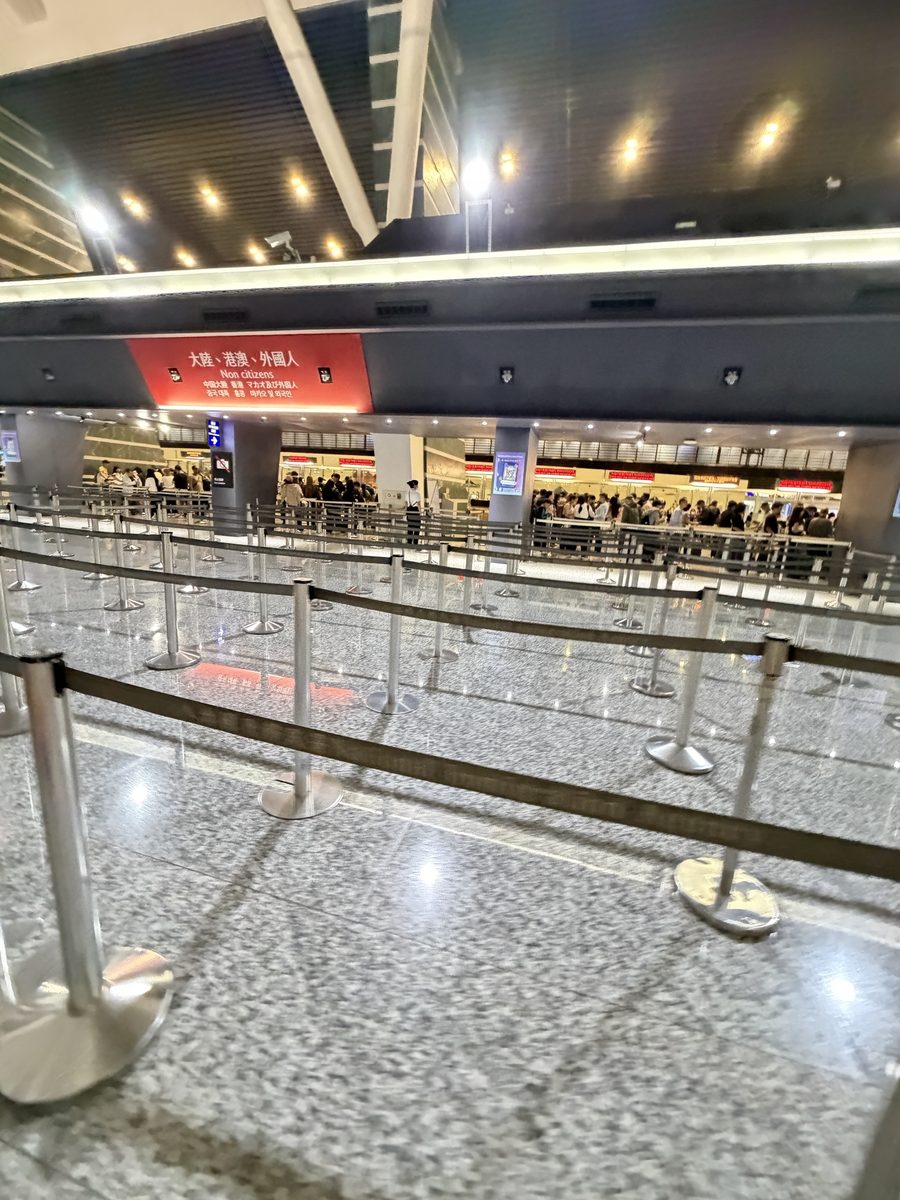
Not every passport is eligible. The Immigration Agency website lists which passports can register, so check before you go. (Photos aren't allowed in the immigration area, so there are no pictures of this part.)
Biosecurity: leave the meat at home
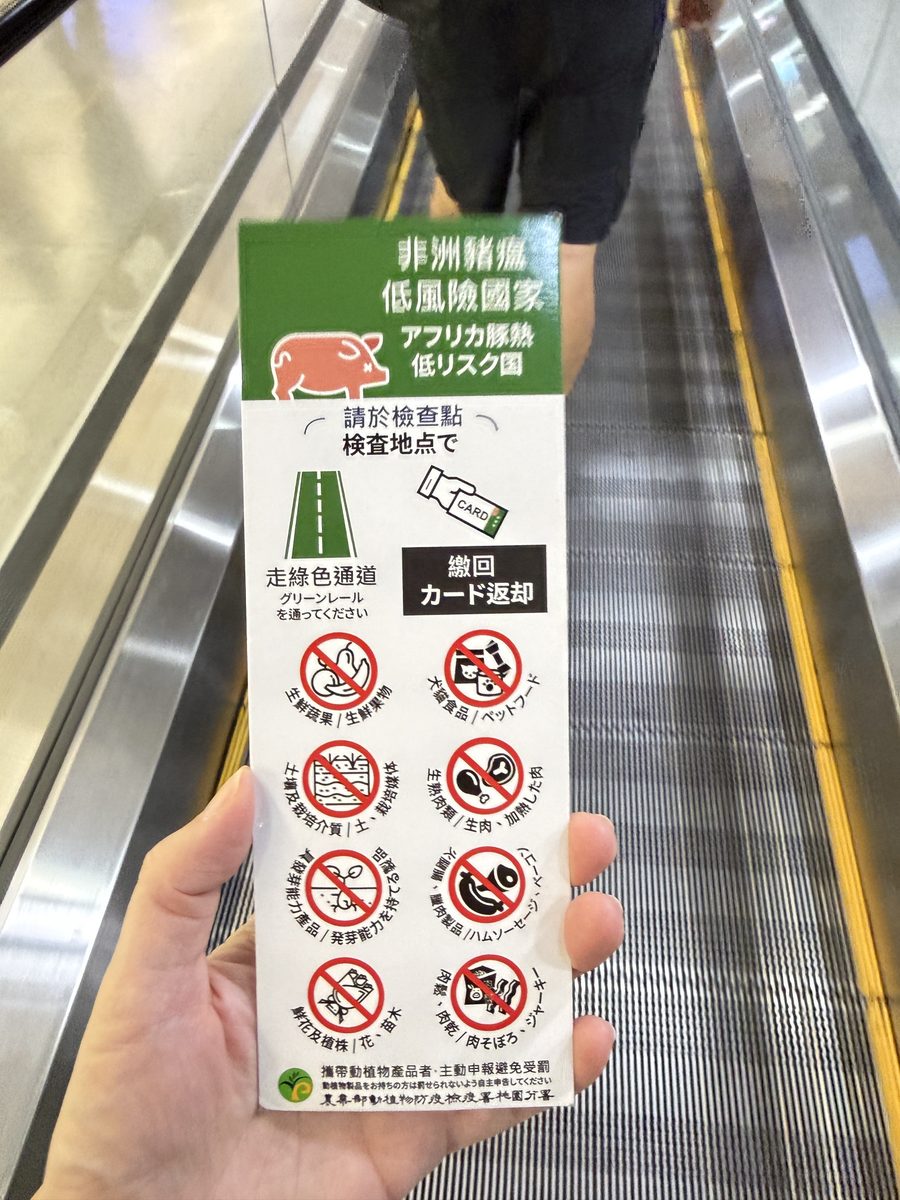
After baggage claim you'll get a quarantine card. Follow the lane it shows and hand it back on the way out. Meat products such as jerky, sausages and ham, plus fresh fruit, vegetables and flowers, are all banned. Taiwan is very strict, and the fines for undeclared pork products are heavy: up to NT$200,000 if you've come from a country affected by African swine fever.
2. Airport to the city: the Airport MRT (purple line)
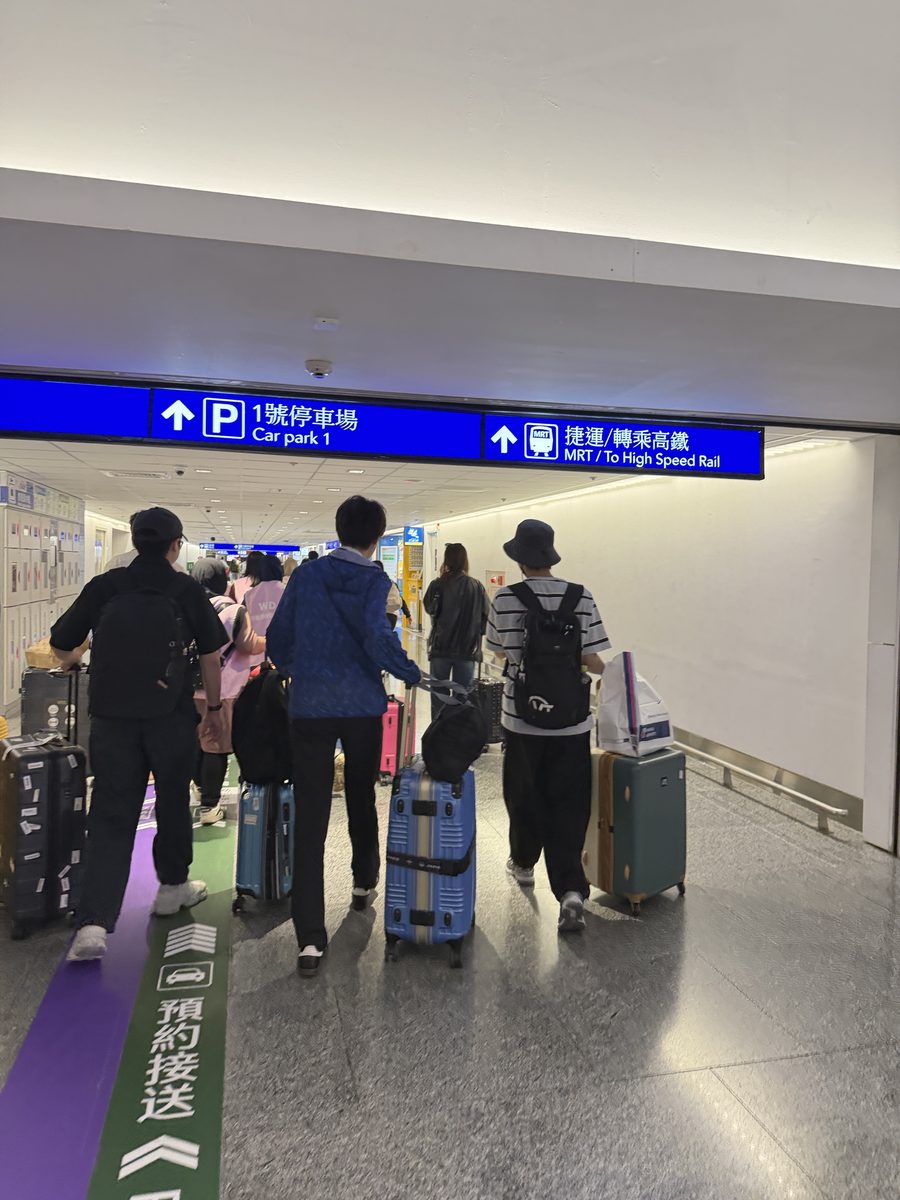
From the arrivals hall, follow the signs for MRT / High Speed Rail.
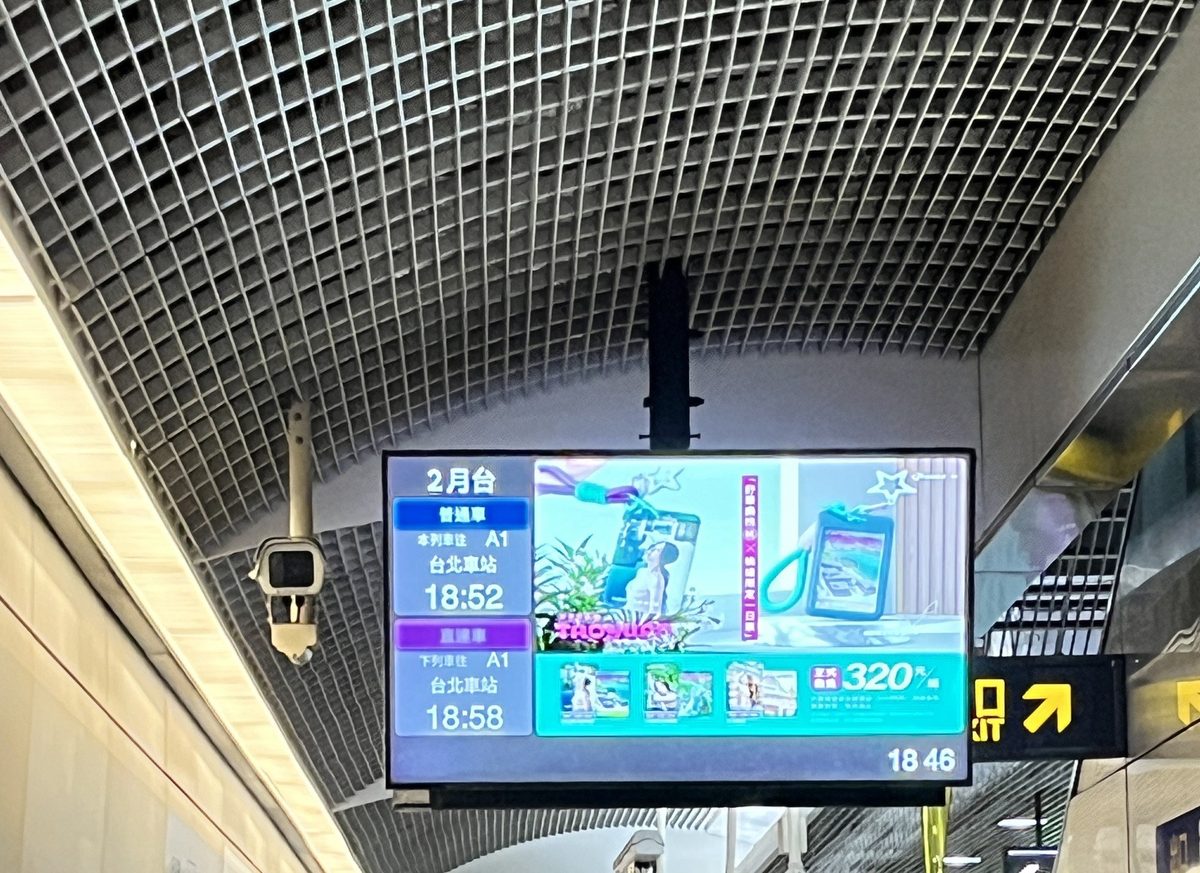
The Airport MRT runs two kinds of train:
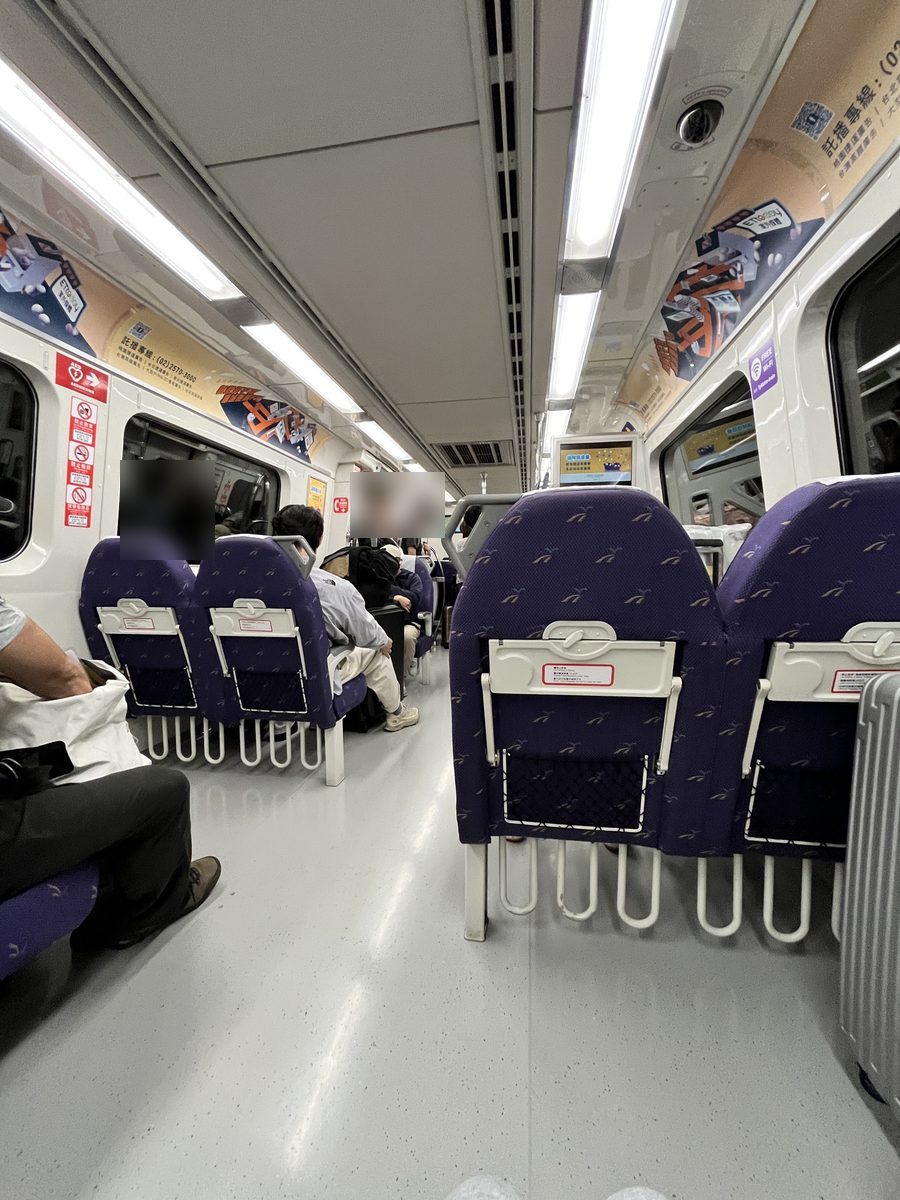
- Express (purple): a few major stops only, about 35 minutes to Taipei Main Station
- Commuter (blue): stops everywhere and takes longer
The platform screen shows which type is coming next and when. The fare to Taipei Main is NT$160, and you can tap in with a bank card or an EasyCard.
Bonus: in-town check-in at Taipei Main Station
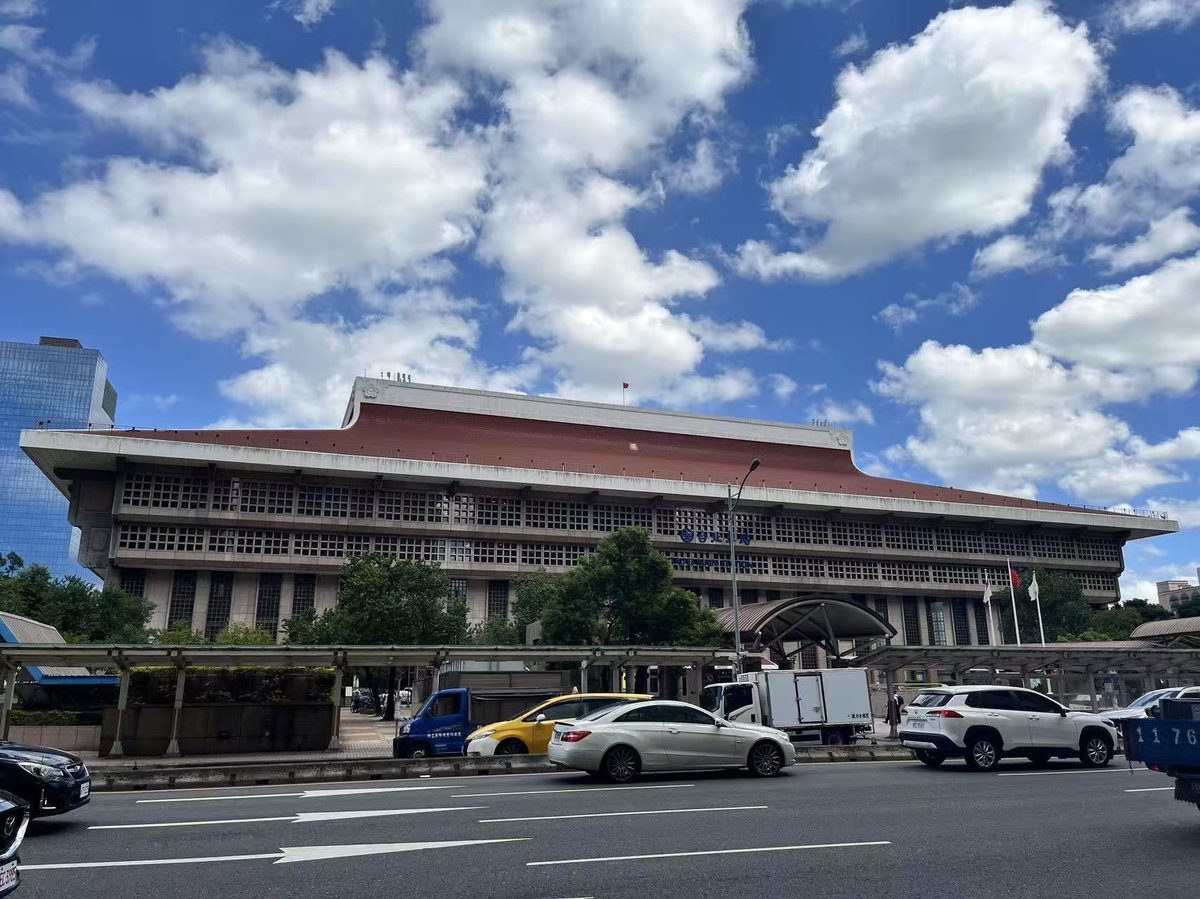
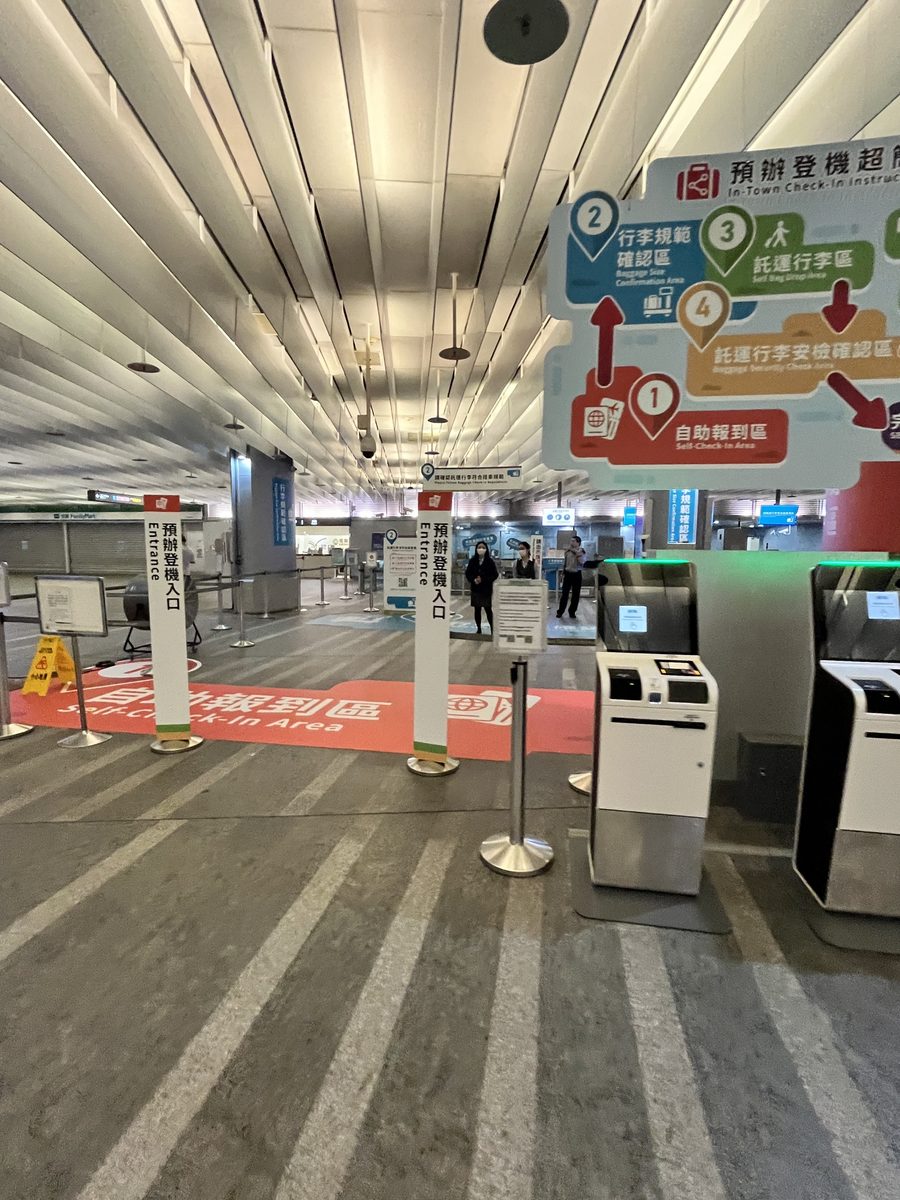
On the way home, some airlines let you check in and drop your bags at the Airport MRT station at Taipei Main, then ride to the airport hands-free. I didn't use it this time, but it's handy if you have a lot of luggage. Check the Airport MRT website for which airlines take part and how early you need to be there.
3. Staying connected: just use an eSIM
I wanted a long-term Taiwan number that I could top up and keep using on my next visit. That turned out to be impossible without a Taiwan resident certificate. Tourists can only buy short-term SIMs at the airport counters (3 days, 5 days or a month), and when one expires, the number is gone. Next trip, you queue up all over again.
So I used an eSIM. I installed it at home before flying, and had data the moment I turned my phone on after landing. No queue, no swapping SIMs, and my Australian number still got texts as usual.
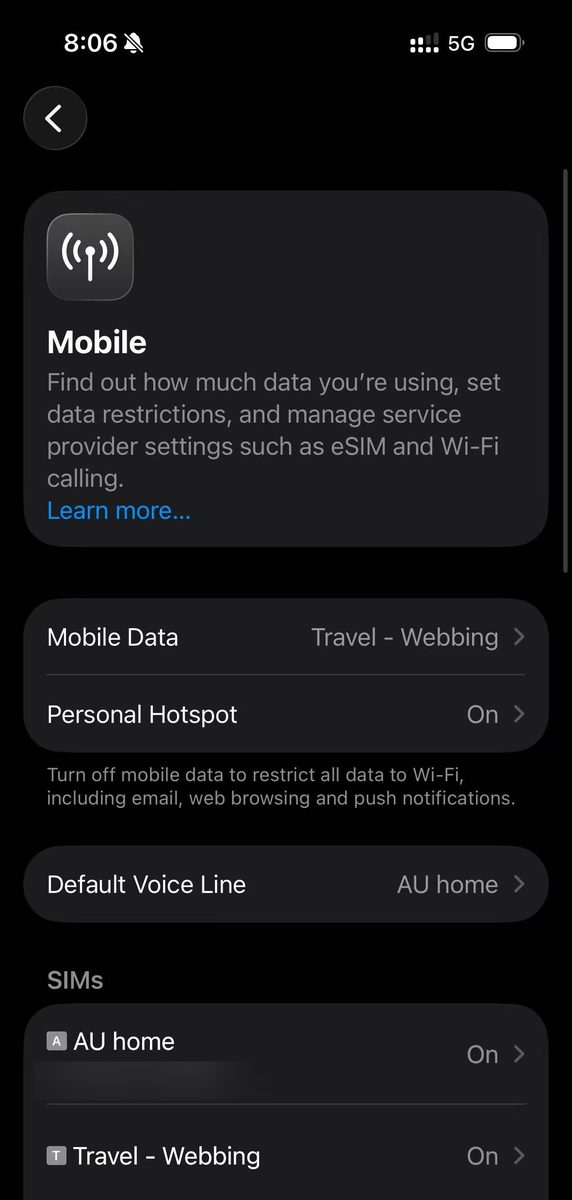
I used the RoamMelb Asia plan, which works in Japan, Korea, Hong Kong and Taiwan, so one eSIM covers several stops. Once it's installed, the carrier name in your phone settings shows as Travel - Webbing. That's normal; you haven't installed the wrong thing. Around Taipei it showed 5G the whole time, and maps, video and video calls all worked fine.
Installation tips
Installing isn't hard, but a few screens are easy to get wrong:
- When asked where you'll use the eSIM, choose Abroad
- When asked for the plan type, choose Data Only
- Once you arrive, turn on Data Roaming for this eSIM
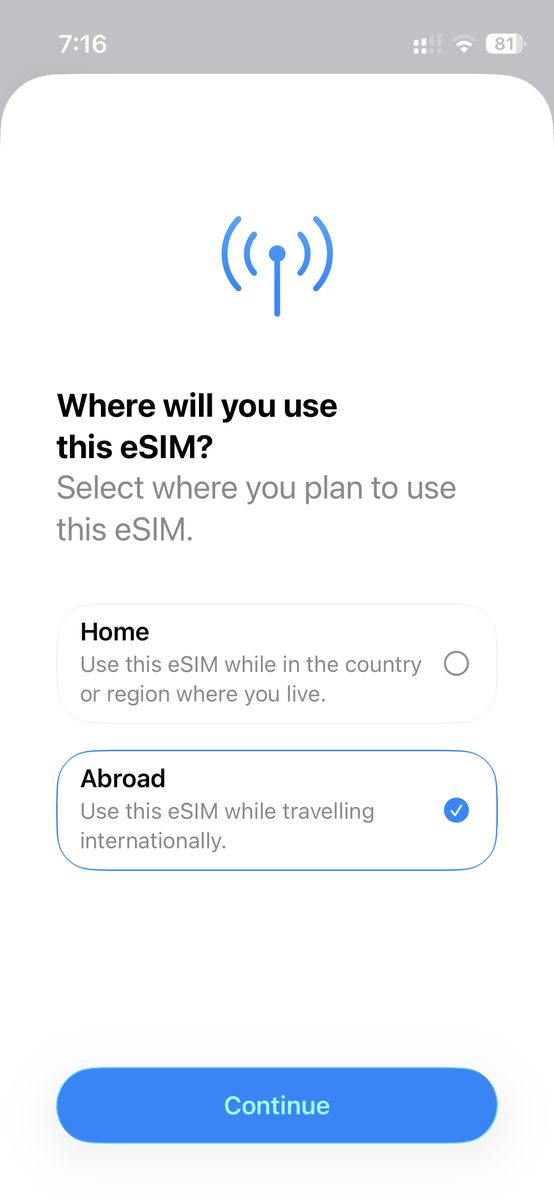
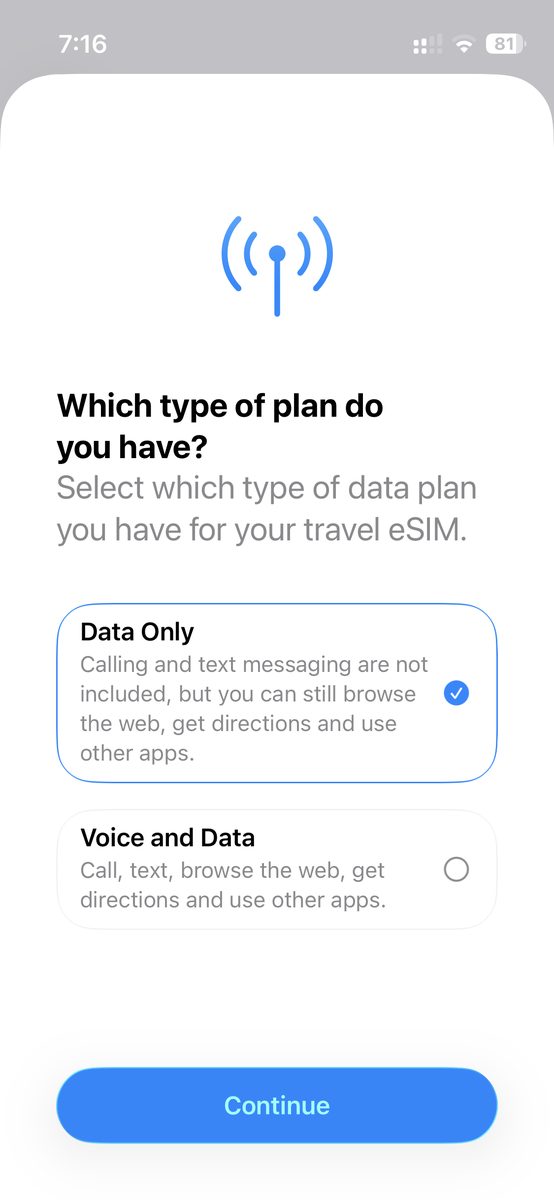
For every step, see our iPhone eSIM installation guide.
4. Paying: cards work almost everywhere
I withdrew NT$2,000 and came home with some of it unspent. The MRT, convenience stores and most restaurants take cards, and Taiwan isn't expensive.
Some buses don't take bank cards, only EasyCard or cash. Pick up an EasyCard at a convenience store. You can also load leftover cash onto it, so nothing goes to waste.
If you need cash, convenience stores have ATMs. Overseas cards are charged a withdrawal fee.
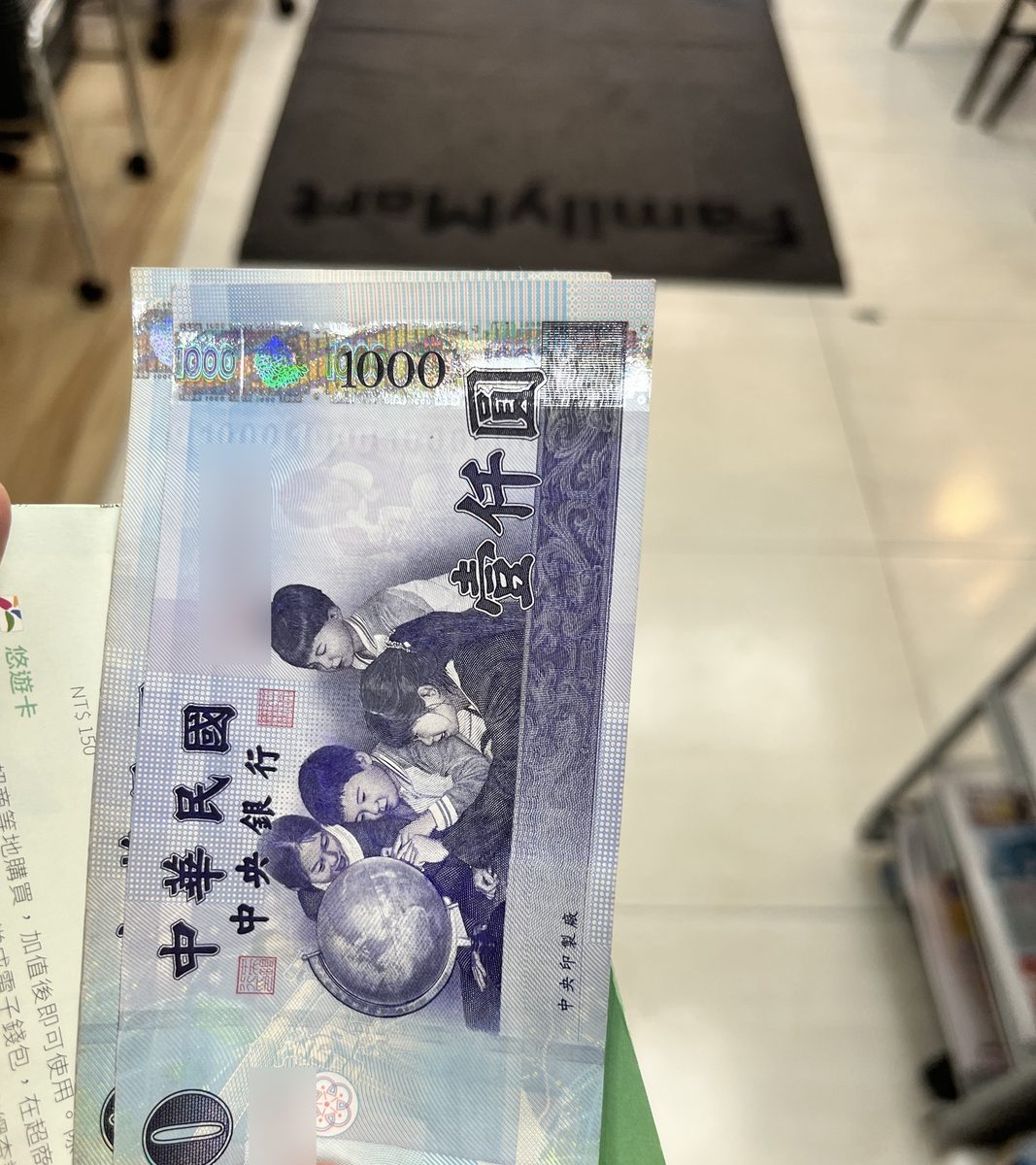
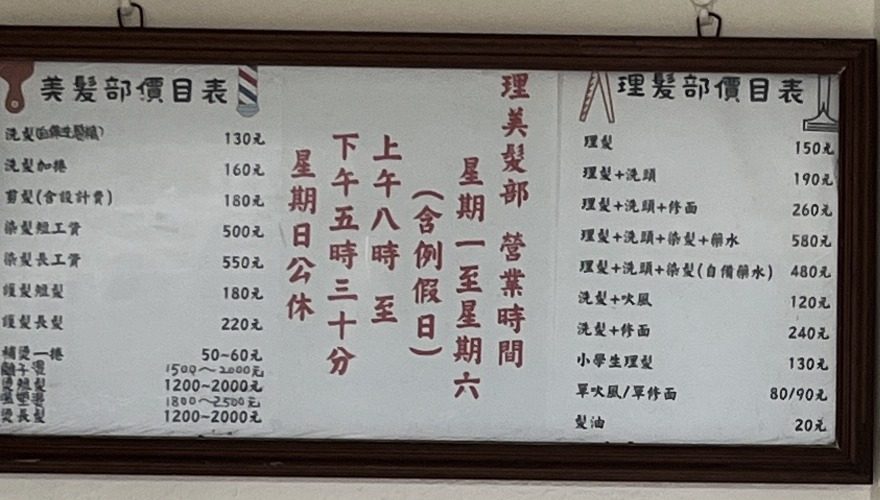
How cheap is it? At the barber inside National Taiwan University, a haircut is NT$150, and a haircut, wash and shave is NT$260.
5. Receipt lotteries and the "carrier"
At the till, you'll often be asked if you have a "carrier" (載具). A carrier is a mobile account that stores your receipts electronically, and locals use it to enter Taiwan's receipt lottery automatically. As a tourist you won't have one, so just say no and take the paper receipt.
Paper receipts are lottery tickets too. Draws are held every two months, and the winning numbers are published on the Ministry of Finance website. Carrier users are notified automatically if they win; with paper receipts, you check the numbers online yourself.
I joked with the shop assistant that if I won, I'd have to come back to Taiwan.
6. Where to wander: NTU and NCCU libraries
If you like poking around universities as much as I do, two Taipei campuses are well worth a look, and you can do both in a day.
National Taiwan University (NTU)
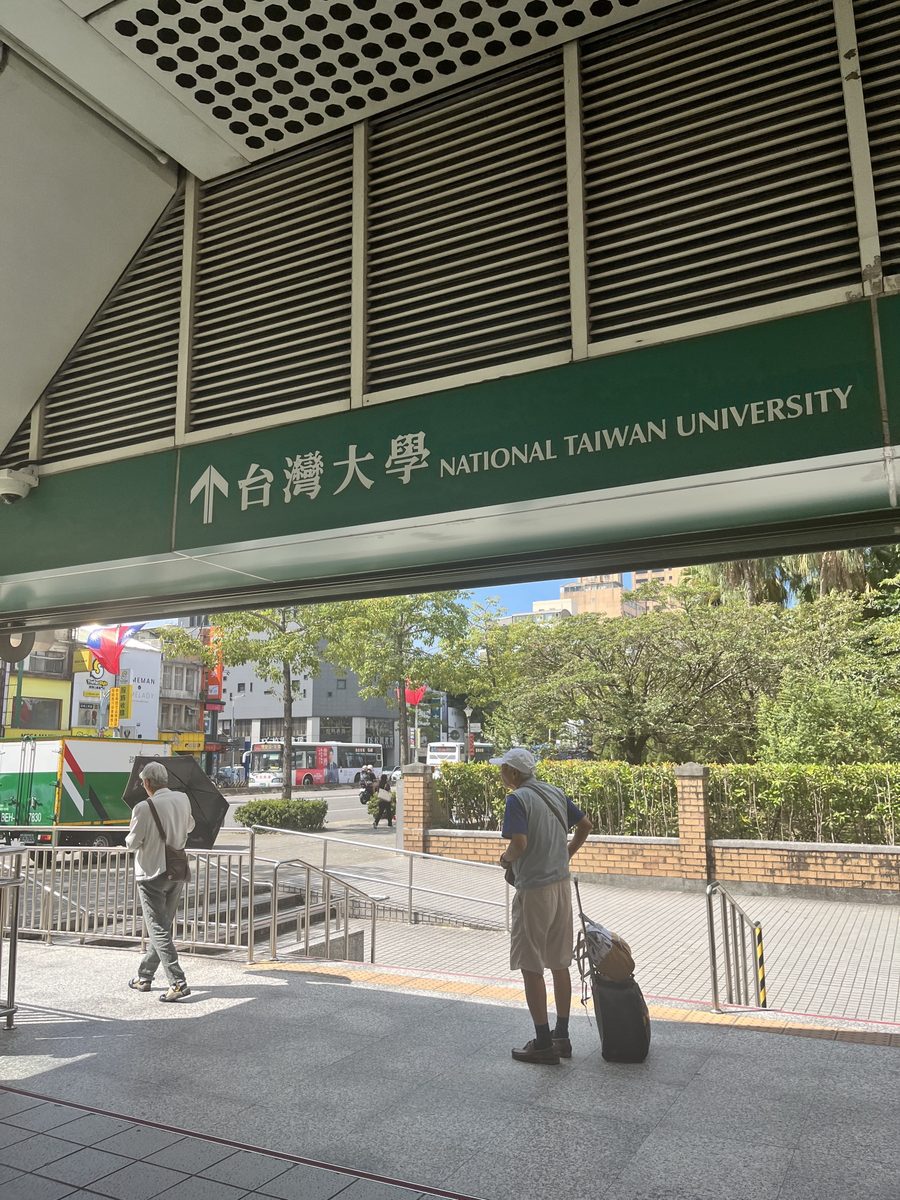
Take the MRT to Gongguan Station and you'll see signs for NTU as soon as you exit. The main gate is a beautiful old red-brick building.
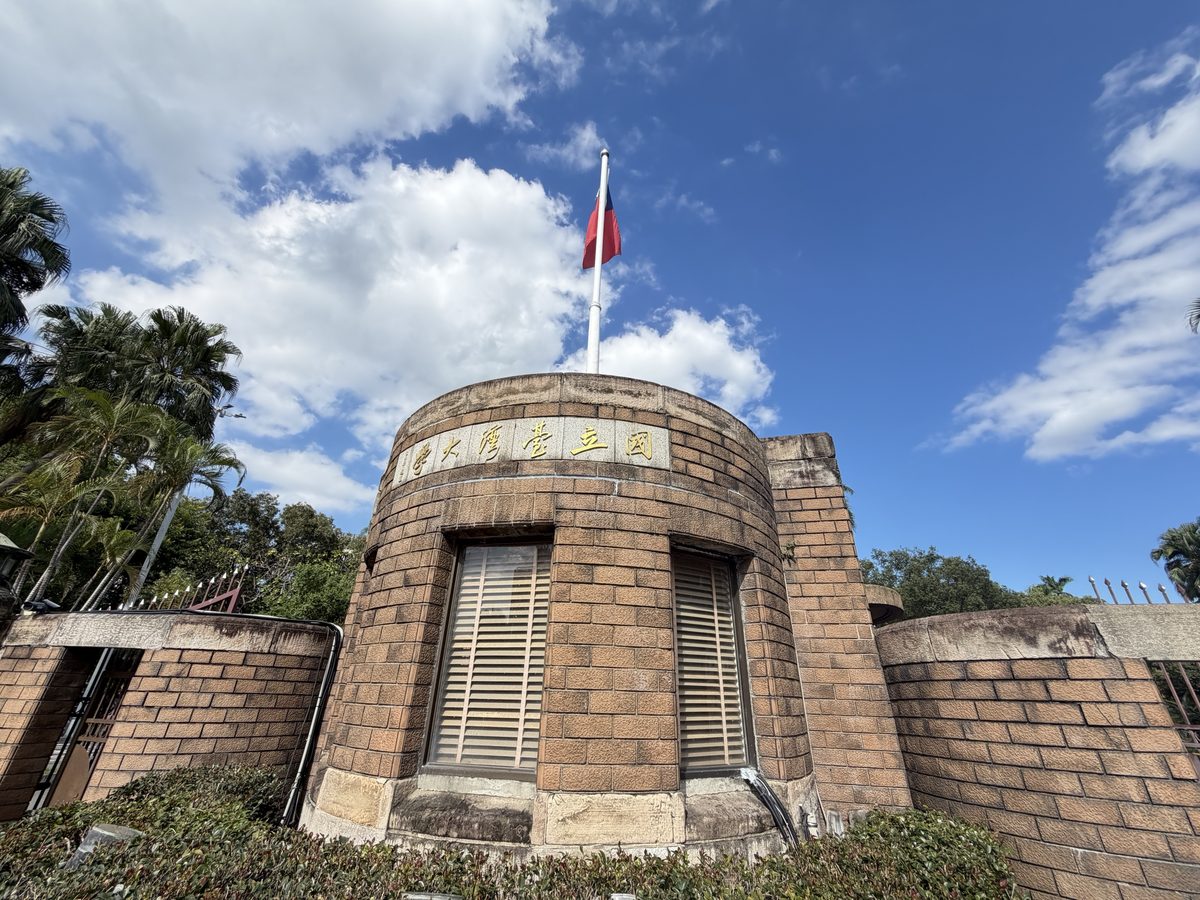
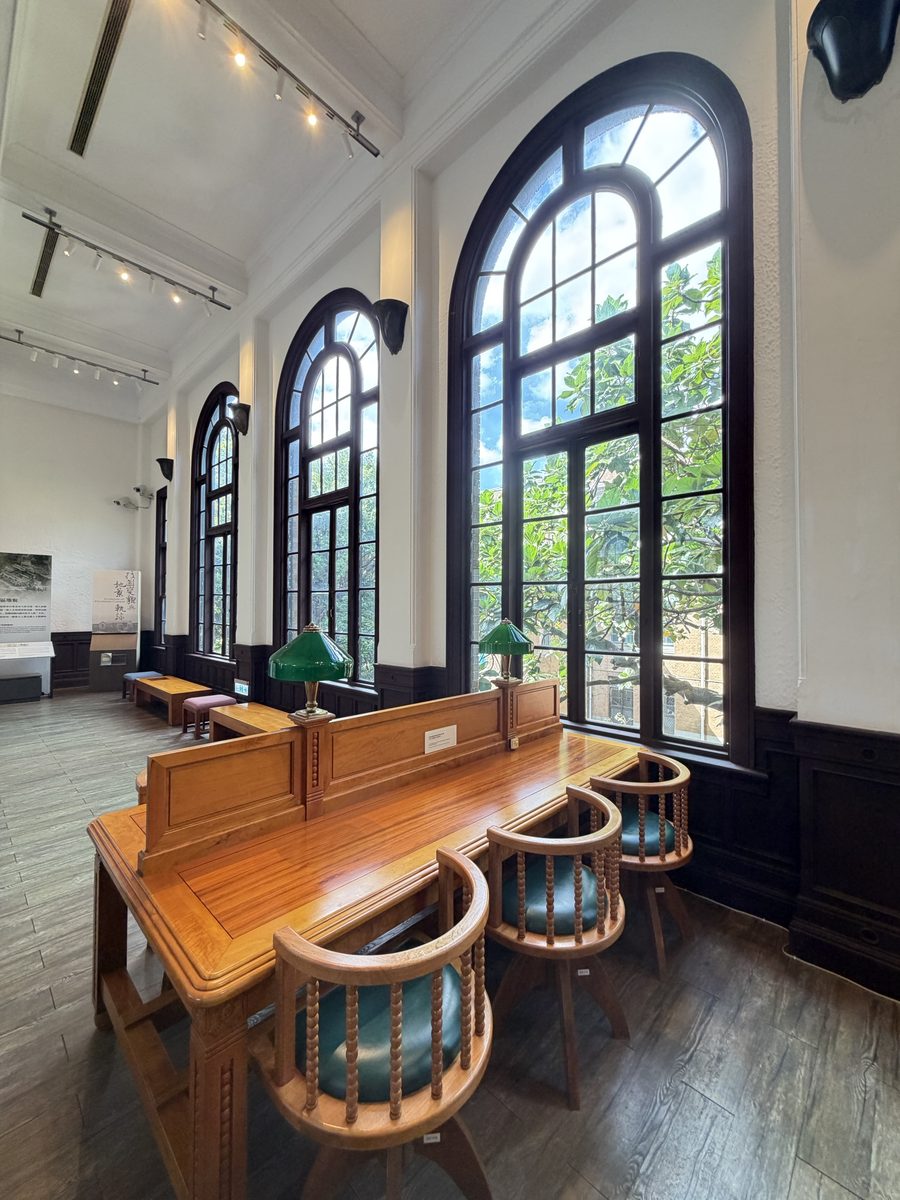
My favourite spot on campus is the NTU History Gallery, in the old main library. Its reading room has tall arched windows, timber desks and green banker's lamps, and the light is gorgeous.
National Chengchi University (NCCU): Dah Hsian Seetoo Library
After NTU, I caught the Roosevelt Road Main Line bus (羅斯福路幹線) from outside NTU's main gate all the way to NCCU. Bring your EasyCard for the bus.
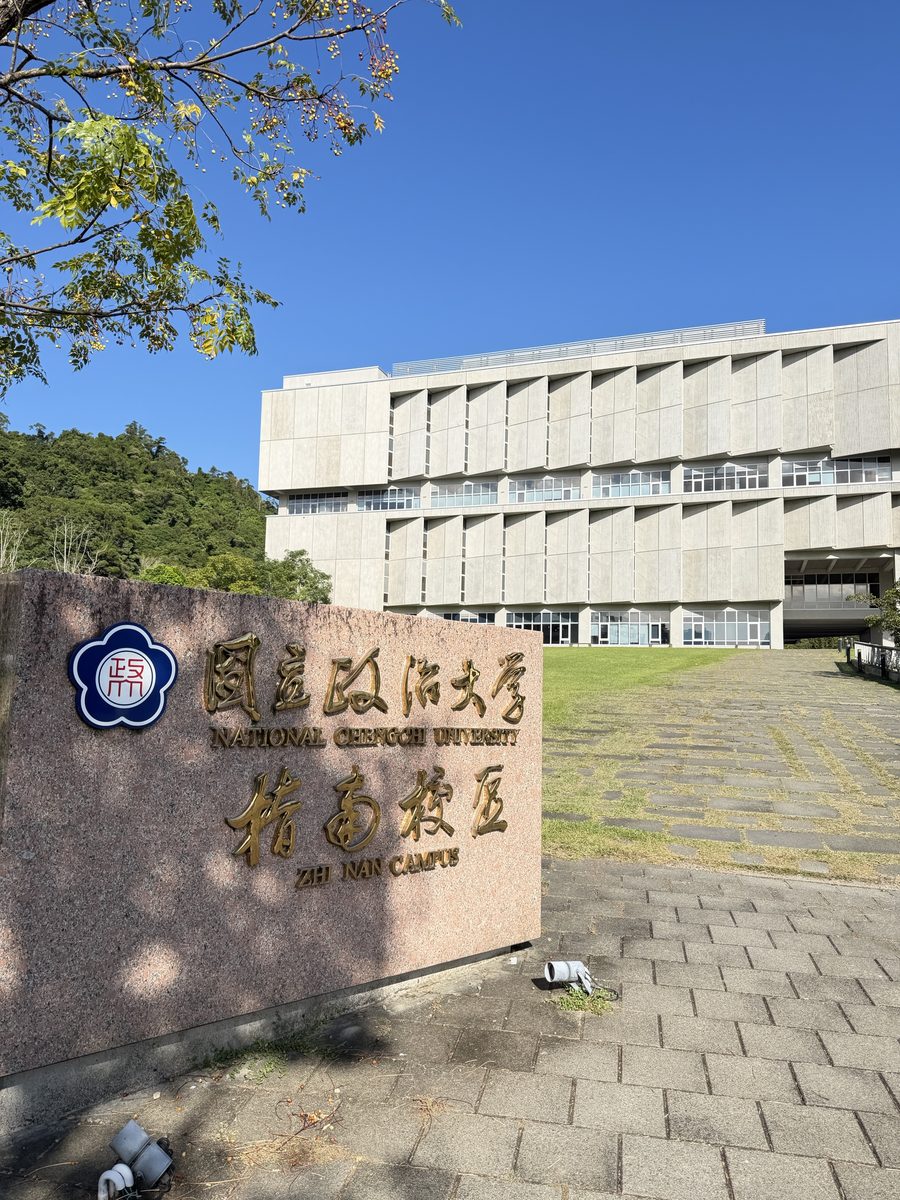
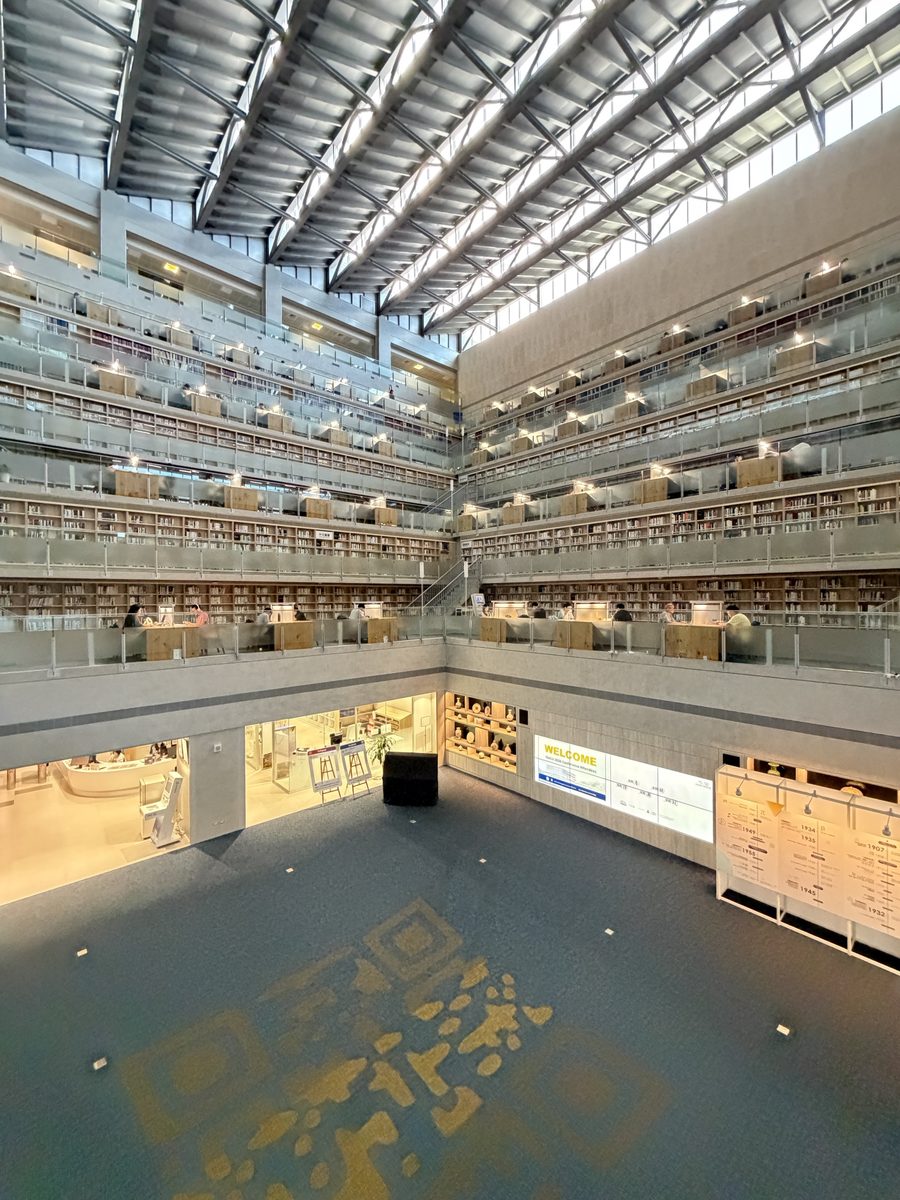
The Dah Hsian Seetoo Library is a fair-faced concrete building set against the hillside. Inside, a multi-storey atrium is ringed by tier after tier of bookshelves. It's spectacular.
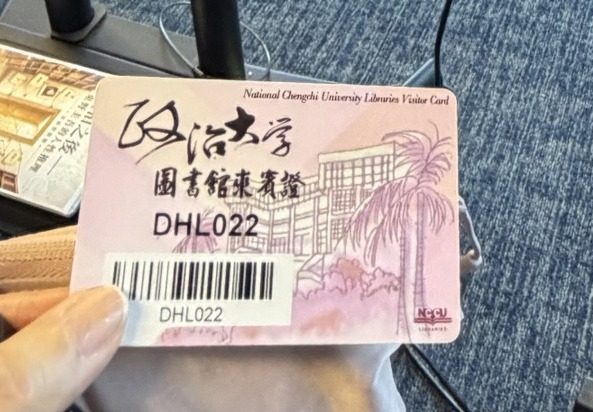
Visitors can swap a photo ID for a visitor card at the entrance, and a passport works. I used my University of Adelaide student card. Visitor numbers are capped, and the cap is halved during exam weeks, so check the library's notices before you go.

Traps to avoid
- Fill in the arrival card online before you fly, or you can't check in online
- Only use the official Immigration Agency site, not paid third-party sites
- Check whether your passport is eligible for e-Gate before you go
- Don't bring any meat products. The fines are heavy.
- Some buses only take EasyCard, not bank cards
- Tourists can't get a long-term Taiwan number; short-term SIM numbers disappear when they expire
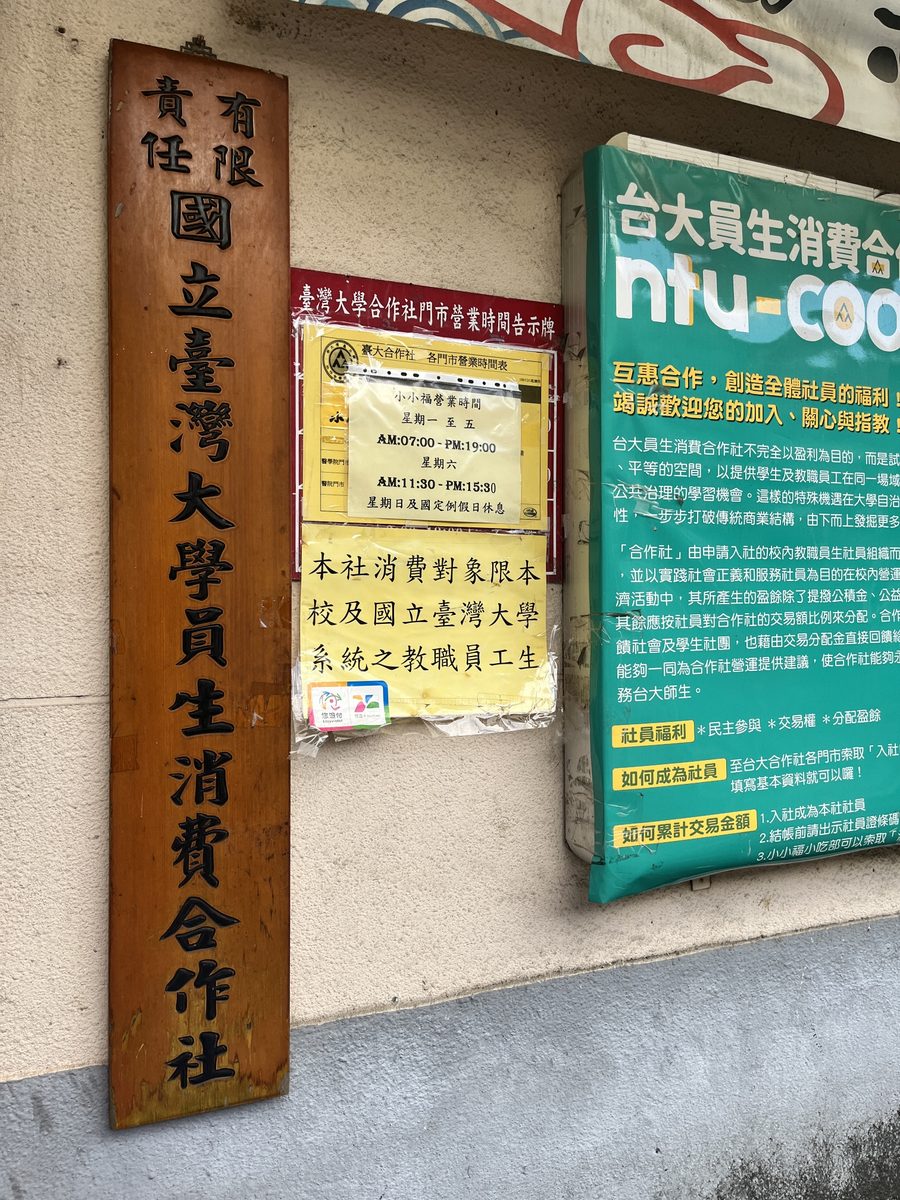
- NTU's campus co-op store only serves NTU staff and students
FAQ
Can I use credit cards in Taiwan?
Mostly yes, including the MRT and convenience stores. Some buses and small stalls only take EasyCard or cash.
How much cash do I need?
Not much. I withdrew NT$2,000 and didn't spend it all. Leftover cash can go onto an EasyCard.
Can tourists get a long-term Taiwan phone number?
No. A long-term number needs a resident certificate. Tourists can only buy short-term SIMs, and the number is gone when they expire.
How good is eSIM coverage in Taiwan?
On my trip it showed 5G around Taipei, with no problems in everyday use.
Can one eSIM cover Taiwan and other places?
The RoamMelb Asia plan works in Japan, Korea, Hong Kong and Taiwan. Check the product page for the full coverage list.
Heading to Taiwan, or several stops in Asia? Browse the Asia eSIM plans in the RoamMelb shop, or read our FAQ first. If you get stuck installing, contact RoamMelb support.